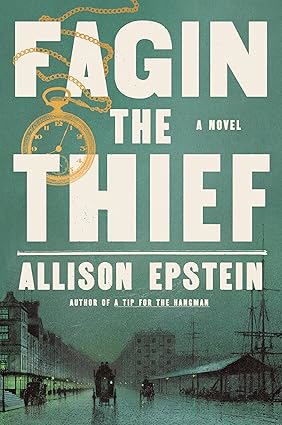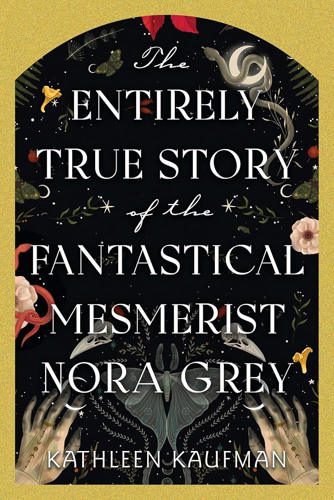
The Last Murder at the End of the World is a genre-defying whirlwind of a novel written by Stuart Turton, the author of The 71/2 Deaths of Evelyn Hardcastle. Much like Turton's previous two novels, the book involves a twisty mystery, but also blends in speculative elements. When a deadly fog spreads over the whole earth, the remnants of humanity, including its most brilliant scientists, flee to an island at the end of the world where they manage to figure out how to stop the fog from reaching them, but not how to reverse it. The majority of the humans are put into cryogenic stasis until the three top scientists can solve the rest of the problem.
90 years pass, and an idyllic utopian community arises among the descendants of earth's survivors who have been raised by three elder scientists to keep the world going. Their primitive civilization is led by three elder-scientists, who have somehow discovered the secret to near immortality and implanted an AI in everyone's brain. By the time the story begins, there have been no murders committed in living memory. But then, on the eve of the chief elder Niema's final desperate experiment, she is killed, leaving a society of simple pleasant townies who have no experience with crime to solve her murder before the security system she's set up against the fog fails. In other words, the island has become a 48-hour ticking time bomb. Oh, and that AI I mentioned earlier? For some reason, Niema also instructed it to wipe everyone's memory of the night she was killed.
Fortunately for them, misfit islander Emory has secretly been reading detective novels that Niema has given her over the years. Because of this, she is a natural investigator. The rest of the book centers on her attempt to determine the murderer before time runs out. Was it Haephestus, Niema’s only biological child whom Emory heard arguing with Niema hours before her death? Or maybe Thea, Niema's adoptive daughter who resents the fact that she has been barred from entering the facility where her sister is frozen in stasis? Or could it even have been one of their own, Adil, who was banished from the community years before for attacking Niema? The answer may surprise you. (I, myself, figured out the killer a few chapters before Emory due to the author’s skillful placement of clues, but I definitely suspected a whole bunch of other characters before that point!)
Overall, this book was incredible. I was fully immersed in the world Turton created from the first page. Science fiction isn’t normally my go-to genre, but if it is handled the way it was here with a compelling plot and sympathetic characters, I am definitely all in. The mystery was extremely well-crafted with several jaw-dropping plot twists. Apparently, when Turton writes a novel, he creates a murder board to make sure all the pieces fit, and it shows! The story brought up some interesting ethical conundrums regarding science, particularly AI, which has become an even hotter topic now than when the book was first released two years ago. I would recommend this book to both fans of mystery/thrillers and science fiction or anyone who enjoys a complex plot with fully-drawn characters.
Previous book reviews by Alexis