For many of us, the word "cheese" is an evocative one. It can be an invitation to smile before taking a photo. It can mean something is corny, goofy, or just bad to the point of being amusing. Conversely, it can also be used to denote a person of importance ("the Big Cheese"). For most of us, though, it remains what it has always been: A food item that has been a key part of humanity's diet for the past 7,000 years, probably longer. It has been suggested that cheese is one of those irreplaceable items that predate recorded history like bread, roasted meat, and beer.
For such a cornerstone of our diet, there really hasn't been as much written about cheese as its ancient dietary siblings. Sure, there are cookbooks that feature it and guides for making it on your own, but there are only a few well-known books specifically about this curdy delight, its history, and its place in society. Here are two books in your library's collection that discuss the importance cheese can have to the people of a particular society, both abroad and here in America.
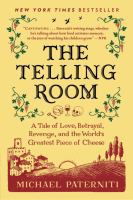
- The Telling Room: A Tale of Love, Betrayal, Revenge, and the World's Greatest Piece of Cheese by Michael Paterniti
In the picturesque village of Guzmán, Spain, in a cave dug into a hillside on the edge of town, an ancient door leads to a cramped limestone chamber known as “the telling room.” Containing nothing but a wooden table and two benches, this is where villagers have gathered for centuries to share their stories and secrets—usually accompanied by copious amounts of wine.
It was here, in the summer of 2000, that Michael Paterniti found himself listening to a larger-than-life Spanish cheesemaker named Ambrosio Molinos de las Heras as he spun an odd and compelling tale about a piece of cheese. An unusual piece of cheese. Made from an old family recipe, Ambrosio’s cheese was reputed to be among the finest in the world, and was said to hold mystical qualities. Eating it, some claimed, conjured long-lost memories. But then, Ambrosio said, things had gone horribly wrong. . . .
The book opens with the author looking for work, and finding it at Zingerman's Deli in Ann Arbor. If you haven't heard of Zingerman's or if you haven't been there, it may just be worth a pilgrimage. They sell groceries as well as soups and sandwiches. I haven't been there in awhile but I recall my sandwich being delicious and packed high in true Delicatessen style. But enough about that, after all I'm not here to shill for a deli 45 minutes away.
Paterniti, at the time of writing, was a writer and aspiring story teller. The book is, in its way, evocative of a noticeably laid back storytelling style with extensive footnotes containing asides and relevant background information. At first these can seem almost like a distraction, but once you grow accustomed to them you begin to slow down and enjoy the book. In this way the style imitates the subject. The Telling Room is a place where people slow down from the brisk pace of life, tell stories, drink wine, and really stop to listen.
The famous cheese - Paramo de Guzman - was also the product of a slowed down process. It was an artisanal cheese, made delicately and lovingly by hand at every step. It was slower, but the results spoke for themselves and justified the cheese's $22 per pound price tag back in 2000. This has the same purchasing power as about $41 for a pound of the cheese in 2026 dollars according to various available sources. This is part of the Slow Food Movement. Around since 1986, the Slow Food movement focuses on good, clean, and slower food to promote the health and well being not just of those who eat but of the environment in which the food is prepared. It promotes ideas like sustainability and traditional cooking methods over faster and perhaps more wasteful methods.
Sadly, the cheese making operation was taken over through financial manipulation and as of the conclusion of the book, around 2013, Paramo de Guzman was more industrialized and mass produced. It's still fairly specialized and relies on local purveyors of sheep's milk, but from what's in the book the process is not quite the same. It is still available for purchase, and as pricey as ever.
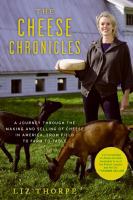
2. Cheese Chronicles: A Journey Through the Making and Selling of Cheese in America, from Field to Farm to Table by Liz Thorpe
The Cheese Chronicles is an insider's look at the burgeoning world of American cheese from one lucky person who has seen more wedges and wheels, visited more cheesemakers, and tasted more delicious (and occasionally stinky) American cheese than anyone else. Liz Thorpe, second in command at New York's renowned Murray's Cheese, has used her notes and conversations from hundreds of tastings spanning nearly a decade to fashion this odyssey through the wonders of American cheese. Offering more than eighty profiles of the best, the most representative, and the most important cheesemakers, Thorpe chronicles American cheesemaking from the brave foodie hobbyists of twenty years ago (who put artisanal cheese on the map) to the carefully cultivated milkers and makers of today. Thorpe travels to the nation's cheese farms and factories, four-star kitchens and farmers' markets, bringing you along for the journey. In her quest to explore cheesemaking, she high-lights the country's greatest cheeses and concludes that today's cheesemakers can help provide more nourishing and sensible food for all Americans. Steve Jenkins, author of the celebrated Cheese Primer, calls this "the best book about cheese you'll ever read." The Cheese Chronicles is a cultural history of an industry that has found breakout success and achieved equal footing with its European cousins.
This one starts in a similar manner to The Telling Room; an outsider to the world of cheese develops an interest and takes a job in the field. In this case the author finds her niche at Murray's Cheese in New York City. You Kroger shoppers may have heard the name before. This now fairly dominant cheese shop has developed a partnership with Kroger stores to provide quality cheese and other deli items to consumers all over the country. I know I've had a couple delectable Murray's offerings from the Kroger counter right here in Commerce Township.
This book is broader in scope than The Telling Room, and discusses artisan cheesemakers across the country. The author delves into different types of milk (cow, goat, and sheep), and how attributes like feed, pasturing, and overall treatment of the animals contribute to the final Product. It all contributes to a renaissance of cheese in America. Even a few short decades ago most of the cheese in the US was mass produced and not terribly interesting. It certainly wasn't garnering any attention on the global stage. But all of that has begun to change. Dairies are taking the time to produce fine and interesting cheeses. Granted many of them are still small producers that only sell at farmer's markets, but some of them like Humboldt Fog are available at many grocery stores with even a little extra focus on artisanal cheese.
I would conclude by saying both of these books are worth a look and probably a checkout. It's always worthwhile to take a look at where your food is coming from, and it's encouraging to know there are still producers out there willing to slow down a little and focus on a quality product. Speaking as a consumer who loves a good piece of cheese now and then, it's nice to know that like other ancient marvels, we're returning to the True Craft of this peculiar food.
Did you enjoy this post? If so, come back in March for my review of a similar book due out in February! If not, well...how did you get through this far?